
Top 2 Home Generator Safety Tips You Can’t Ignore
Home generators can be a lifesaver during power outages, providing essential power to keep your household running. However, improper use of generators can lead to dangerous situations, such as carbon monoxide poisoning, electrical hazards, and fires. By adhering to proper safety protocols, you can mitigate these risks and ensure the safe and efficient operation of your home generator. It is crucial to understand the potential dangers involved and how necessary precautions can prevent them. With the integration of safety tips, you not only protect your family but also enhance the longevity and performance of your home generator.
Understanding the risks associated with generators is the first step toward safe usage. Carbon monoxide poisoning, electrical shocks, and even fires are potential risks when operating a generator incorrectly. By implementing safety measures, you can avoid these hazards and maximize the benefits of your home generator. Adhering to safety protocols ensures that you can enjoy uninterrupted power supply without compromising the safety of your household. These measures also contribute to the longevity and reliable performance of your home generator.
Enhancing the value of your property is another benefit of using home generators wisely. According to HomeGuide, a whole house generator can provide up to a 150% return on investment and increase the overall value of your home. This fact highlights not only the utility but also the financial benefits of incorporating a sound generator safety strategy. By prioritizing safety, you not only ensure the well-being of your household but also realize long-term financial gains. Understanding these benefits underlines the importance of following generator safety tips meticulously.
Understanding Generator Placement
1.1 Maintain Safe Distances
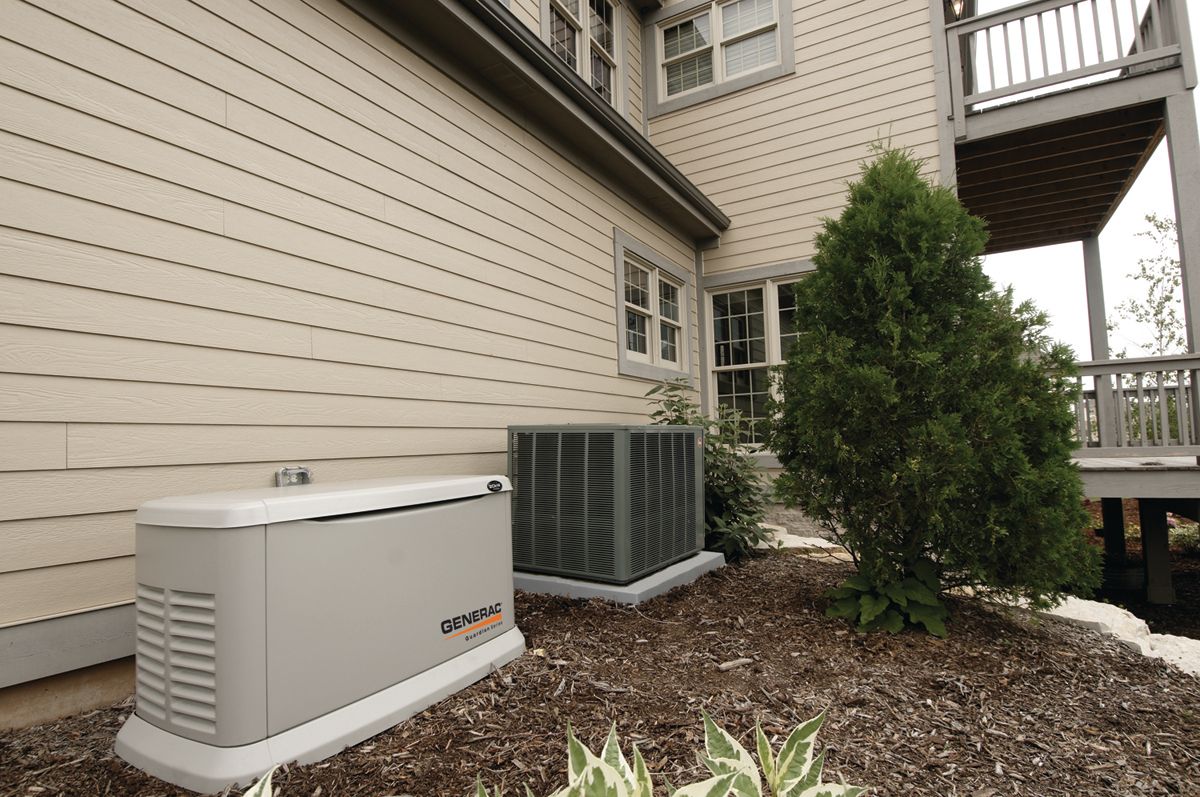
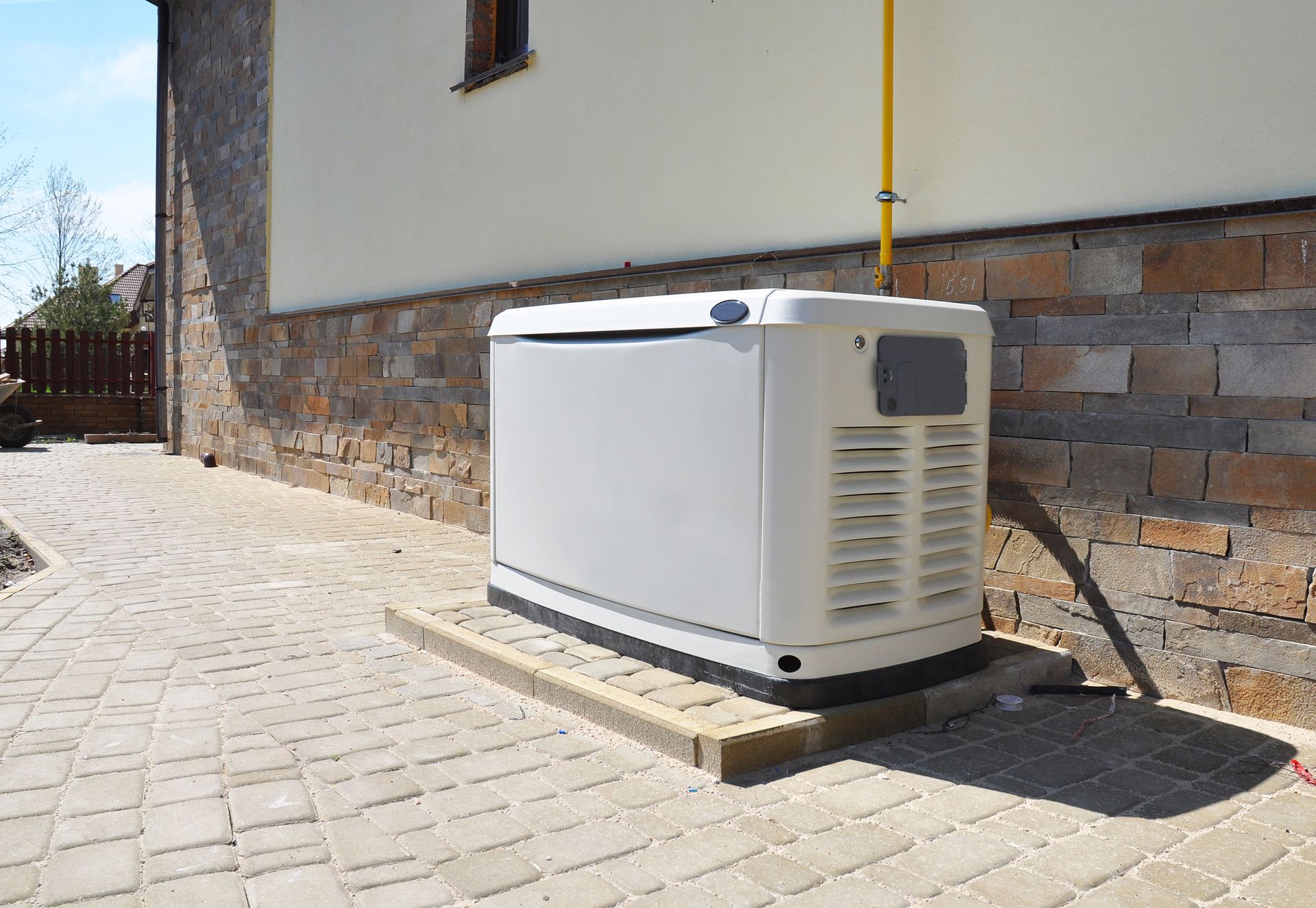
The placement of your home generator is crucial to ensuring safety and optimizing performance. Keep the generator at least 15 feet away from your home and windows to minimize carbon monoxide infiltration. This distance helps prevent toxic fumes from entering living spaces, reducing the risk of carbon monoxide poisoning. The location should also have sufficient airflow to dissipate fumes effectively and ensure proper generator operation. By maintaining a safe distance, you protect both your household and your home generator's functionality.
Aside from safety, keeping a suitable distance can enhance generator efficiency. Proper airflow around the unit allows better cooling and prevents overheating, which can damage components and reduce the generator's lifespan. The placement should also consider noise levels, as placing the generator too close to living areas can cause disturbances to the household and neighbors. This balance of distance and functionality is vital for achieving effective generator use. Ultimately, strategic placement goes a long way in boosting the generator's performance while ensuring safety.
Consider the surrounding environment when choosing a location for your home generator. Ensure there are no flammable materials nearby, reducing the risk of fire hazards. It is also crucial to assess the terrain; a stable, level surface can prevent the generator from tipping over or moving during operation. Adhering to these placement guidelines contributes significantly to the safe and efficient function of your home generator. Informed placement choices create a safer and more effective power solution for your home.
1.2 Avoiding Enclosed Spaces
Operating a generator in enclosed spaces can be perilous due to the accumulation of carbon monoxide. Garages, sheds, and other enclosures are unsuitable for generator operation as they can trap exhaust fumes. Carbon monoxide, a colorless and odorless gas, can build up within minutes causing serious health risks, including fatalities. To avoid this, always operate generators in well-ventilated outdoor areas where exhaust gases can dissipate safely. This practice is fundamental to ensuring the health and safety of everyone in your household.
Ventilation is key to operating generators safely. Enclosed spaces prevent proper exhaust flow, leading to a rapid build-up of fumes that pose immediate health threats. The importance of using a generator in open areas cannot be overstated, as it allows for free air movement to disperse harmful gases. Educating yourself on proper operating environments for your home generator can significantly reduce these risks. By being aware of and acting upon these guidelines, you contribute to a safer home environment.
In addition to safety, operating in open spaces can enhance a generator's performance. Outdoor placement prevents overheating, allowing for optimal function without unnecessary strain on components. Avoiding enclosed spaces also contributes to long-term durability, as generators are less likely to suffer damage from overheating and other ventilation issues. Understanding and implementing these precautions ensures that you not only prioritize safety but also uphold the performance of your home generator. This approach balances safety with efficiency, maximizing the use of your home generator.
Ensuring Proper Ventilation
2.1 Importance of Venting Exhaust
Proper ventilation is crucial to mitigate the dangers associated with generator exhaust fumes. Generators emit carbon monoxide, a dangerous, odorless gas that can lead to serious health issues if allowed to accumulate. Ensuring that exhaust gases are vented correctly away from living spaces is an essential safety measure. This can be achieved by positioning the exhaust outlet away from windows, doors, and air intakes. By maintaining clear, unobstructed ventilation pathways, you can safely disperse exhaust emissions and protect household health.
Ventilation systems must be regularly inspected and maintained to ensure their continued efficacy in exhaust emission. Blockages or wear in these systems can severely hinder proper venting, causing dangerous build-ups of fumes. Developing a routine inspection schedule helps identify and rectify these issues before they pose a threat. Moreover, understanding the signs of improper ventilation, such as the presence of exhaust odors indoors, can prompt immediate corrective actions. These practices uphold the critical balance between generator efficiency and safe operation.
Innovative solutions, like extending the exhaust outlet to a safer distance or investing in exhaust fans, further enhance venting capabilities. These methods facilitate active dispersion of fumes, adding an extra layer of safety. With increased focus on green and safe energy solutions, ensuring effective exhaust venting also aligns with environmentally responsible generator usage. By prioritizing proper ventilation, you safeguard both your health and the environment. These efforts reinforce the safe reliance on generators as a convenient source of backup power.
2.2 Using Carbon Monoxide Detectors
Installing carbon monoxide (CO) detectors can provide an early warning system against dangerous CO build-up. These devices measure CO levels in the air and alert occupants when concentrations become hazardous. By placing detectors near sleeping areas and in spaces close to generator operation, you enhance your safety net against toxic gas poisoning. CO detectors serve as a supplemental safeguard, ensuring prompt action can be taken even in the event of unnoticed ventilation failures. This proactive measure is an invaluable component of your generator safety strategy.
The effectiveness of CO detectors is contingent upon regular testing and maintenance. Batteries should be replaced as needed, and detector functionality verified consistently, adhering to manufacturer guidelines. Being diligent with these practices ensures your CO detectors remain effective in providing timely alerts. This same commitment to regular checks should be applied to all safety systems involved in generator usage. Reinforcing the reliability of these safety measures instills confidence in your generator usage practices.
The cost-effectiveness of CO detectors is an additional encouragement to their use in conjunction with home generators. Given the catastrophic potential of carbon monoxide poisoning, the investment in reliable detectors is minimal. By integrating these devices into your safety plan, you achieve comprehensive protection with relatively little resource expenditure. Promoting awareness about CO detector benefits within the community can also bolster communal safety efforts. As more households recognize the necessity of these tools, safer generator usage becomes a shared objective.
Before every use, inspect the unit, confirm that the surrounding area is clear, and make sure carbon monoxide detectors are working properly. Never take shortcuts when operating or refueling a generator, even during an emergency. With careful preparation and ongoing maintenance, you can use backup power confidently while protecting your family, property, and equipment. Call Power Solutions NC, LLC today to learn more.
Share On: