
Why Modern Communities Depend On Whole Home Generators
Modern households and businesses are increasingly shaped by their dependence on uninterrupted electricity. From climate control systems to security infrastructure, nearly every aspect of daily function relies on stable power delivery. As outages become more disruptive and less predictable, property owners are placing greater emphasis on resilient backup systems that preserve comfort and continuity during grid failures. Among these solutions, whole home generators have become a central part of long-term planning for both residential and mixed-use properties, especially as expectations for reliability continue to rise across communities.
Their appeal is not limited to convenience. These systems support continuity across essential services that people often take for granted until they are interrupted. Whether a storm impacts local infrastructure or demand overwhelms the grid, backup power plays a stabilizing role in maintaining normal routines. As expectations for reliability increase, so does the importance of integrating dependable standby systems into modern properties.
Why Power Reliability Matters for Modern Living
The Rising Cost of Interruption
Power interruptions create immediate operational and financial consequences for households. Food spoilage, loss of heating or cooling, and interrupted work-from-home environments all add up quickly during extended outages. For many families, even short disruptions can create cascading challenges that affect safety, productivity, and comfort. In this context, whole home generators provide a structured solution that minimizes downtime and restores essential systems quickly when utility power fails, reducing both disruption time and recovery stress for homeowners.
Beyond inconvenience, outages can also create longer-term costs that are not always obvious at first. Damaged electronics, interrupted medical equipment, and frozen pipes during cold weather are examples of risks that escalate when power is not restored promptly. A reliable backup system reduces exposure to these issues by ensuring consistent electricity delivery during critical moments, particularly in areas where outages occur seasonally.
Critical Systems That Depend on Continuous Power
Modern homes rely on a wide network of interconnected systems that require constant energy flow. Heating and cooling units, refrigeration, sump pumps, and communication equipment all depend on stable electrical input. When power is lost, these systems can fail simultaneously, compounding the impact of the outage. Whole house generators help maintain these essential functions, preserving both safety and comfort while preventing secondary damage to sensitive home systems.
As residential technology expands, the dependency on uninterrupted electricity continues to grow. Even basic household operations now rely on powered systems that were once considered optional. Backup generation ensures these systems remain functional regardless of external grid conditions, supporting a more stable living environment during unpredictable service interruptions.
Community-Level Dependence on Stability
At a broader level, neighborhoods are increasingly interconnected in their reliance on shared infrastructure. When power is lost, entire communities can experience disruptions that affect transportation, communication, and emergency response systems. Reliable backup power helps reduce strain on local services during outages, especially when demand spikes across multiple households at the same time.
This growing dependency highlights why more homeowners are prioritizing resilience as part of their long-term property planning. Stable power is no longer a luxury but a foundational requirement for modern living environments, and whole home generators are becoming a common part of that preparedness strategy in many regions.
How Backup Power Supports Long-Term Home Stability
System Lifespan and Performance Expectations
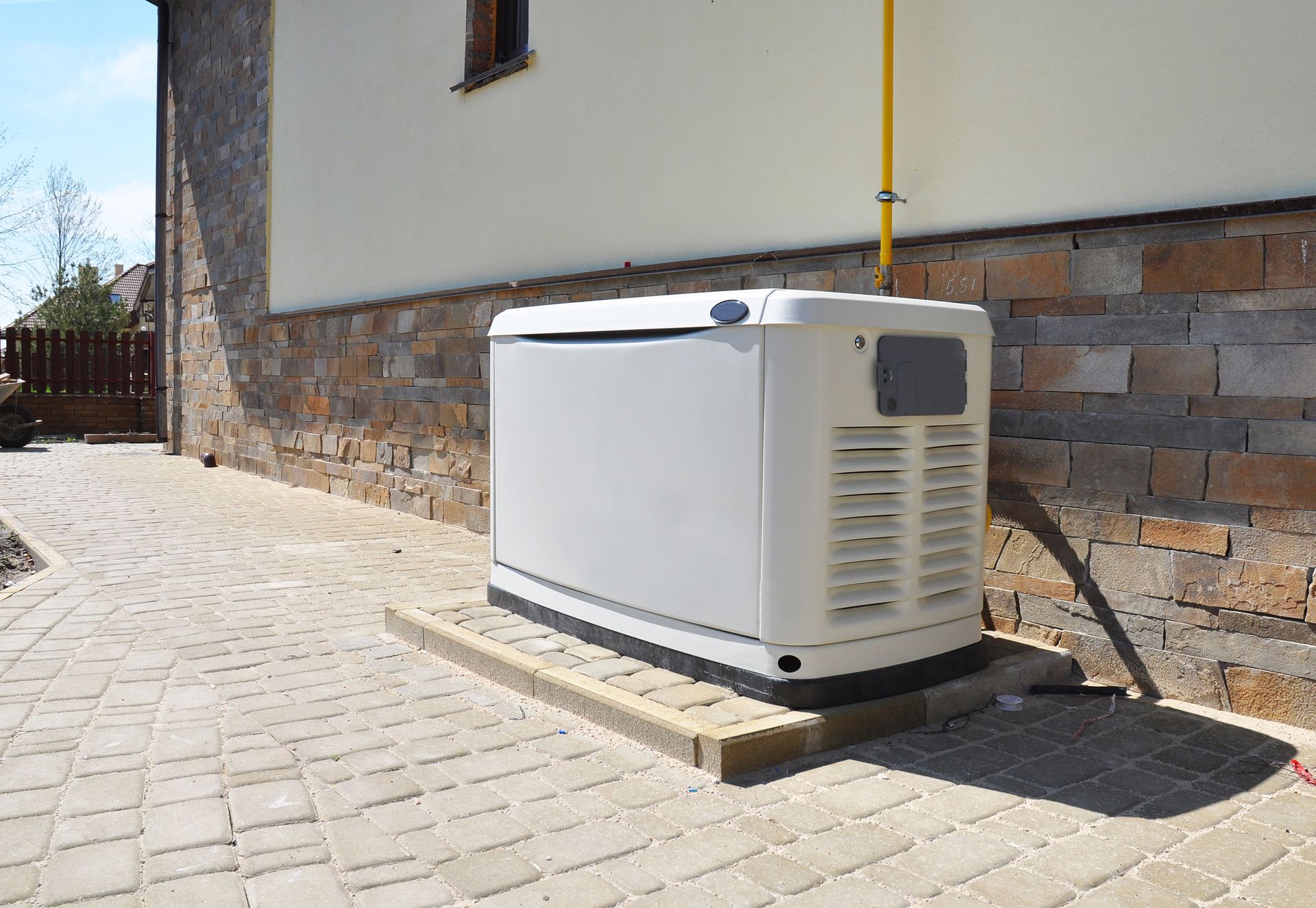
Durability is a key factor when evaluating backup power systems. According to HomeGuide, a whole house generator typically operates effectively for 15 to 30 years and can provide between 10,000 and 30,000 hours of use when properly maintained. This extended service life makes it a long-term infrastructure investment that supports property resilience over decades.
Over time, consistent performance depends on proper sizing, installation quality, and routine maintenance. When these factors are managed correctly, systems are capable of delivering reliable output across decades of use. In this context, whole home generators represent a sustained safeguard against long-term outage risks and infrastructure instability.
Maintenance and Consistency Over Time
Ongoing maintenance plays a central role in ensuring long-term reliability. Regular inspections, load testing, and component servicing help preserve system efficiency and prevent unexpected failures. Without consistent upkeep, even high-quality systems can experience performance degradation over time, particularly when they remain unused for long periods.
Whole house generators are designed to remain in standby mode for extended periods, which makes routine checks even more important. Proper maintenance ensures that when outages occur, the system activates without delay and delivers stable power to essential circuits throughout the home.
Reducing Long-Term Risk Exposure
A well-maintained backup system reduces exposure to both immediate and cumulative risks associated with outages. Electrical disruptions can place strain on appliances, HVAC systems, and refrigeration units. Over time, repeated exposure to unstable power conditions can shorten equipment lifespan and increase repair costs.
By providing immediate transition to backup power, whole home generators help maintain consistent operating conditions. This reduces wear on household systems and contributes to overall property stability, especially in regions where outages are more frequent or prolonged.
Why Backup Power is Becoming a Community Standard
Neighborhood Resilience During Outages
As outages become more frequent in certain regions, communities are placing greater emphasis on resilience. Homes equipped with backup systems help stabilize neighborhoods by reducing collective strain during grid failures. This creates a more reliable environment for essential services and daily activities.
Whole house generators play a key role in this shift by ensuring that individual properties remain operational even when surrounding infrastructure is compromised. This independence supports broader community stability during widespread disruptions and helps maintain essential household functions simultaneously across multiple homes.
Planning for Future Energy Demands
Modern households are consuming more electricity than in previous decades due to increased reliance on powered systems. As demand grows, the strain on utility infrastructure also increases, making outages more likely during peak conditions. Backup systems provide a safeguard against these fluctuations.
Property owners are increasingly incorporating standby power into long-term planning strategies. This approach reflects a broader understanding that energy reliability is now a core component of property value and livability, with whole home generators often included in new construction planning.
Expanding Expectations for Property Readiness
Expectations for residential preparedness have shifted significantly in recent years. Homeowners now evaluate properties not only on design and location but also on resilience features that support uninterrupted living. Backup power has become a key consideration in this evaluation, particularly in regions prone to seasonal storms or grid stress.
Whole home generators are increasingly viewed as a standard component of modern property infrastructure. Their ability to maintain continuity during unpredictable conditions aligns with evolving expectations for dependable, self-sufficient homes and long-term residential security.
Reliable electricity has become essential to nearly every aspect of modern life, from daily routines to critical home systems. As outages continue to disrupt communities, property owners are placing greater emphasis on solutions that ensure stability and continuity. Backup systems provide a practical way to maintain essential functions when utility power is unavailable, reducing both risk and inconvenience.
The long-term value of these systems is reinforced by their durability and consistent performance over time. With proper maintenance and installation, they offer decades of dependable service that supports both comfort and safety. As reliance on electricity continues to grow, whole home generators remain an increasingly important part of residential preparedness and long-term property planning. Reach out to Power Solutions NC, LLC to learn more about our residential generator solutions!
Share On: