
Prepare Your Home for Storms with Generator Services
Severe storms can interrupt electrical service without warning, leaving homeowners without lighting, refrigeration, heating, or cooling. Preparing for these disruptions is essential for maintaining household safety and comfort. One effective approach involves investing in professional generator services to establish a dependable backup power solution. Understanding generator types, installation requirements, maintenance procedures, and operating precautions helps homeowners make informed decisions. With proper preparation, households can minimize storm-related disruptions and protect essential electrical systems during unexpected outages.
1. Understanding the Importance of Backup Power
Power outages can affect nearly every aspect of daily life, particularly when severe weather damages electrical infrastructure. Heavy winds, lightning, flooding, and falling trees can interrupt electricity for hours or days. Without backup power, homeowners may experience spoiled food, uncomfortable indoor temperatures, and limited communication capabilities. These challenges become particularly serious when household members depend on electrically powered medical equipment.
Backup generators help maintain essential household functions until utility service returns. Depending on their capacity, generators can support refrigerators, lighting, heating equipment, and selected electrical outlets. Professional generator services help homeowners identify suitable equipment based on household requirements and anticipated outage conditions.
Preparing before storm season also reduces the pressure of making equipment decisions during emergencies. Homeowners should identify their most important electrical needs and establish a practical backup power plan well before severe weather approaches.
2. Comparing Different Types of Home Generators
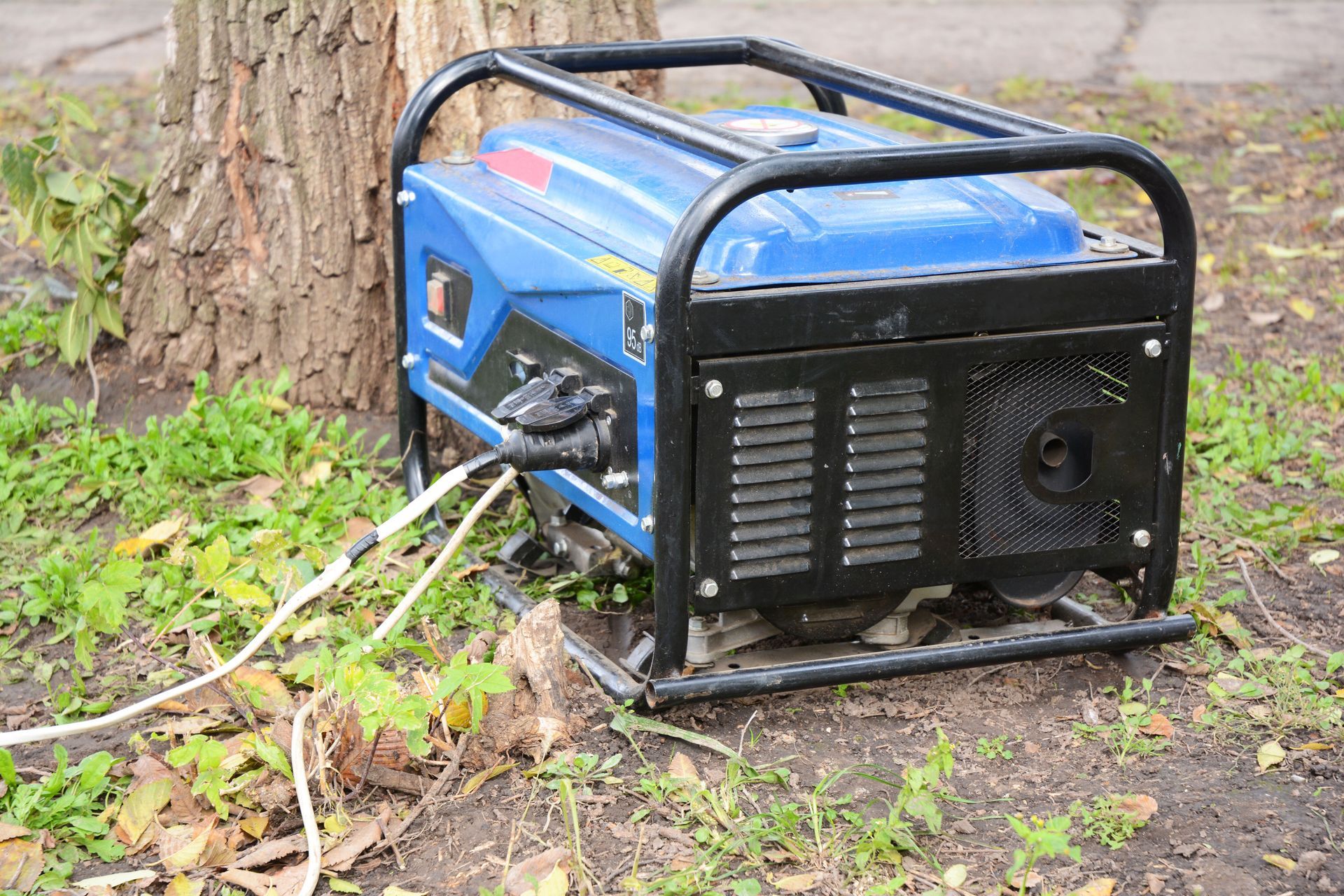
Residential generators are available in several configurations, each offering distinct advantages. Portable generators provide temporary electricity and can power selected appliances through appropriate connections. These units generally require manual startup, regular refueling, and careful outdoor positioning. Their flexibility makes them appealing to homeowners seeking backup electricity for limited applications.
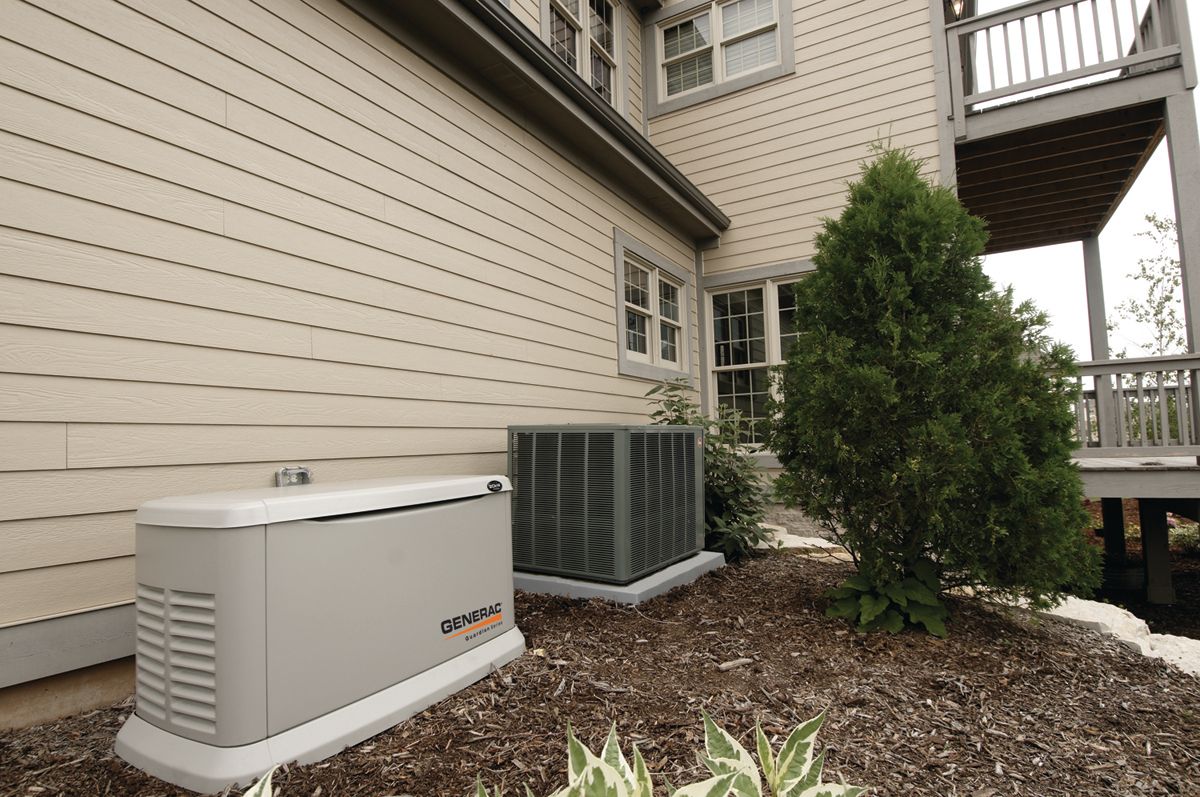
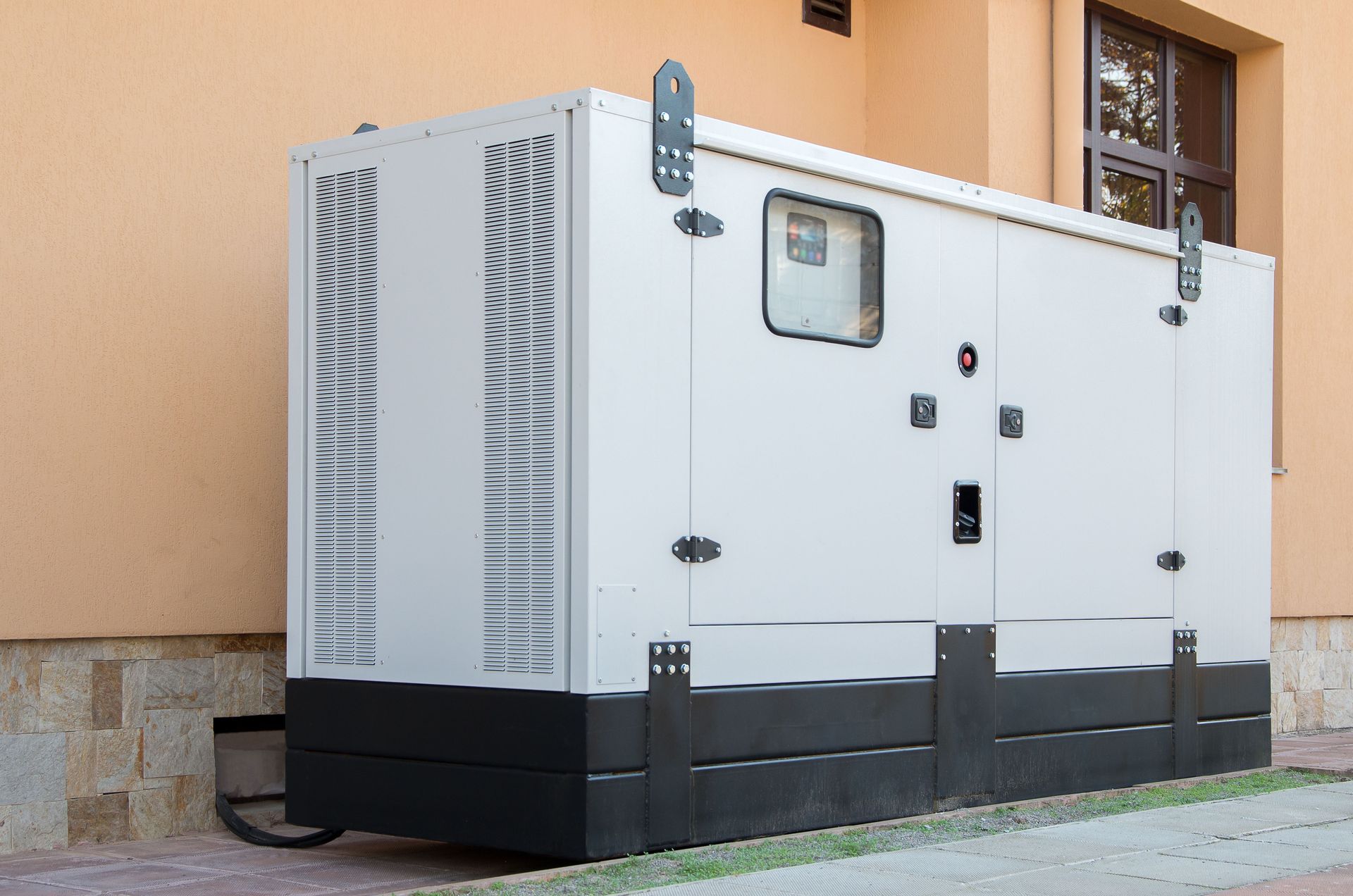
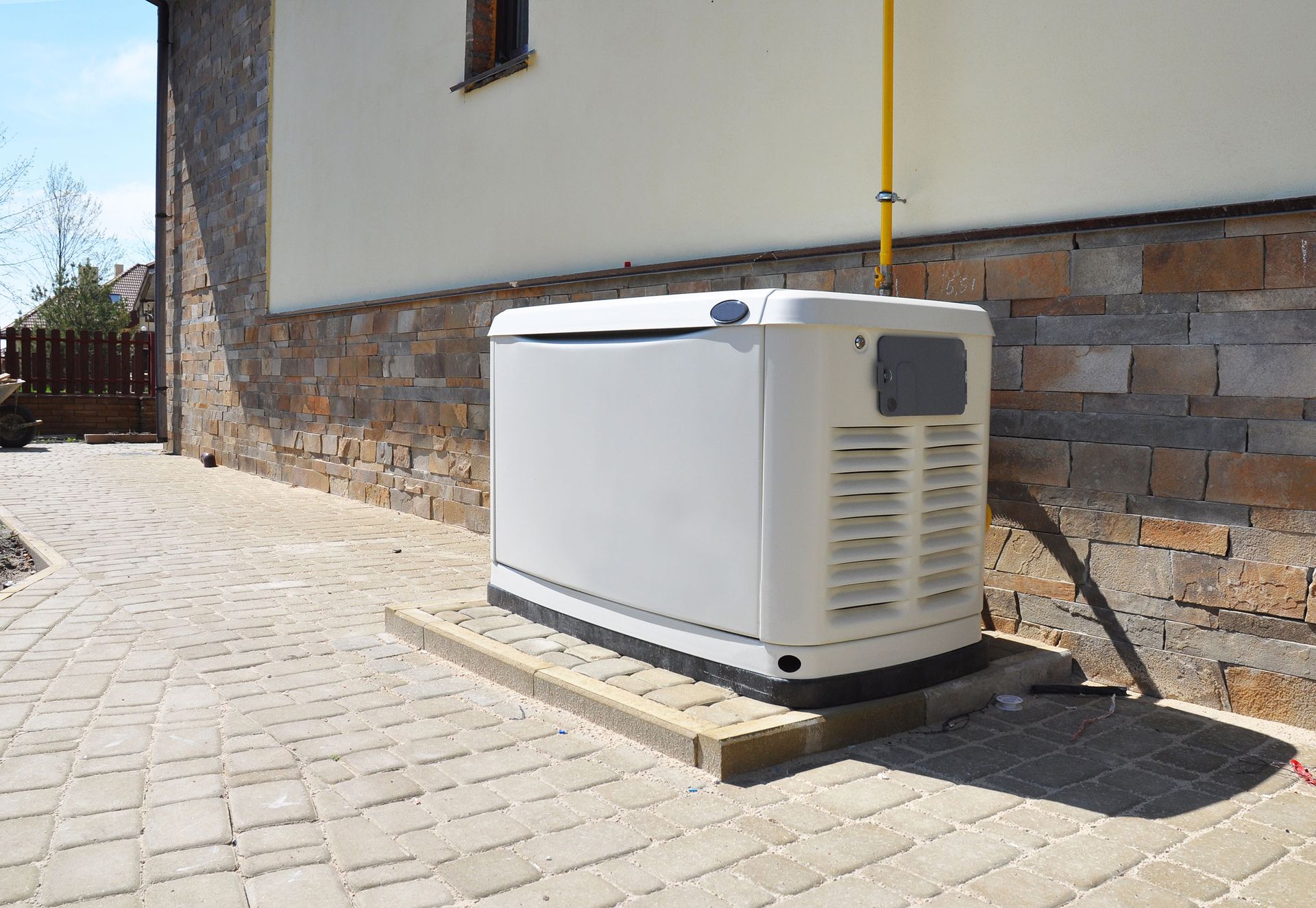
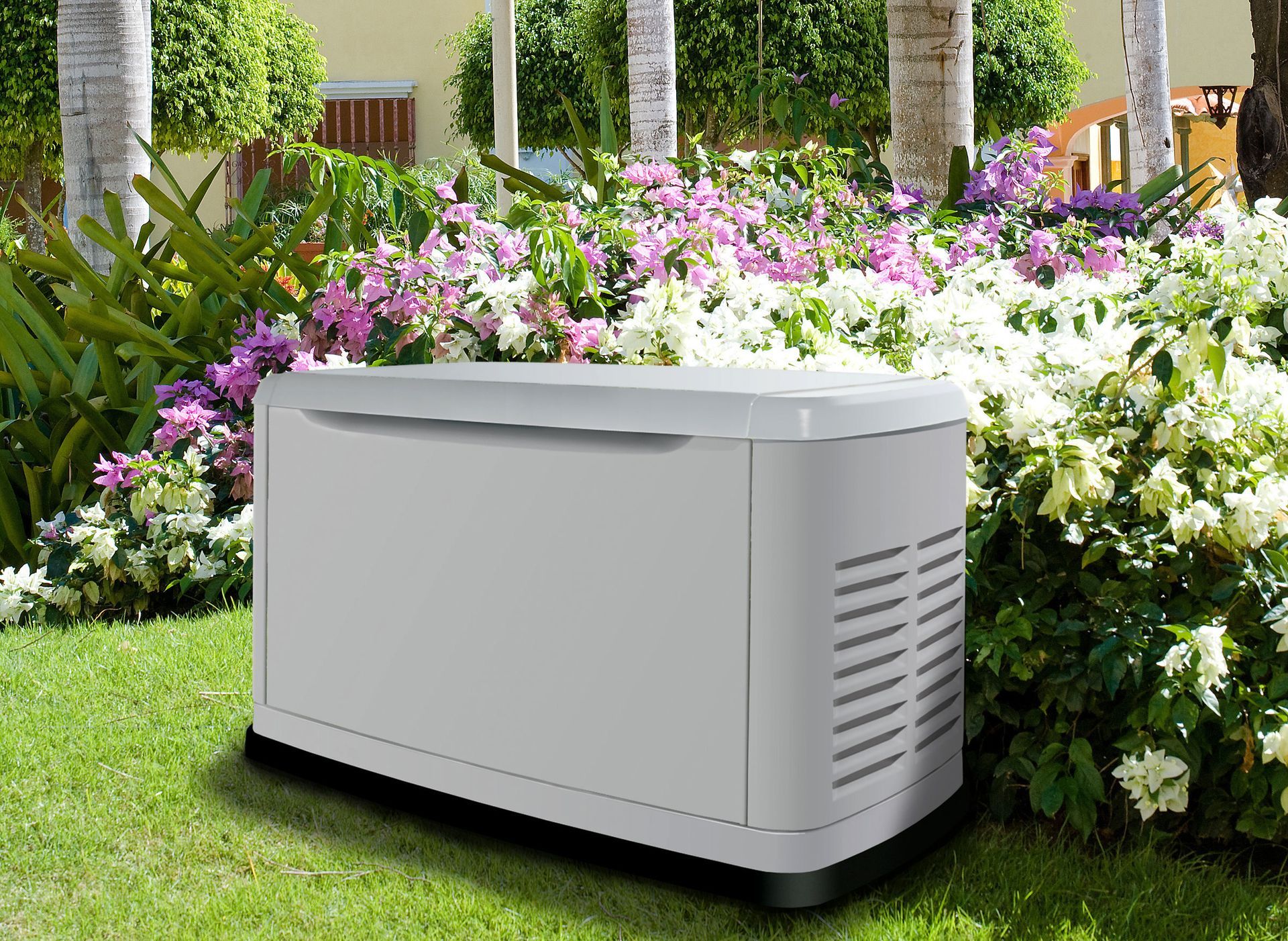
Standby generators are permanently installed and typically activate automatically when utility power fails. Many connect to natural gas or propane supplies, reducing the need for frequent manual refueling. Their automatic operation makes them particularly convenient during overnight outages or when homeowners are away.
Inverter generators offer quieter operation and stable electrical output suitable for sensitive electronics. Battery-based backup systems provide another alternative, particularly when combined with solar panels. However, their available capacity depends on stored energy and charging conditions.
Choosing between these options requires evaluating convenience, installation expenses, available fuel, and expected electrical demand. Each system offers different benefits depending on household priorities.
3. Calculating Household Power Requirements
Selecting the correct generator capacity is essential for reliable operation. Homeowners should begin by identifying appliances and electrical systems that must remain operational during an outage. Refrigerators, freezers, sump pumps, communication devices, and certain heating systems commonly receive priority.
Each appliance has specific running and starting wattage requirements. Equipment containing electric motors may require additional electricity when starting, making accurate calculations particularly important. Operating too many appliances simultaneously can overload an undersized generator and interrupt its performance.
Experienced technicians providing generator services can evaluate electrical demand and recommend equipment with sufficient capacity. This assessment helps prevent unnecessary spending on oversized equipment while ensuring critical systems receive adequate power.
Homeowners should also consider future improvements, including additional appliances or expanded living spaces. Planning for reasonable changes can help maintain the usefulness of a backup system over time.
4. Planning Safe and Effective Generator Installation
Proper installation significantly influences generator performance, safety, and long-term reliability. Standby systems require suitable outdoor placement, stable mounting surfaces, and appropriate connections to household electrical infrastructure. Installers must also consider manufacturer clearance requirements, accessibility, and potential exposure to flooding.
Generators that produce combustion exhaust must remain outside and away from openings where dangerous gases could enter the home. Portable generators should operate at least 20 feet from the house whenever possible, with exhaust directed away from doors, windows, and vents.
Electrical connections require particular attention. A properly installed transfer switch or approved interconnection equipment prevents electricity from flowing backward into utility lines. Backfeeding can endanger utility workers and damage electrical equipment.
Professional generator services can assist with installation planning, electrical connections, and applicable permit requirements. Working with qualified electricians and installers helps homeowners establish systems that meet local regulations and manufacturer specifications.
5. Evaluating Generator Costs and Fuel Consumption
Generator ownership involves more than the initial equipment purchase. Installation, electrical upgrades, fuel consumption, inspections, and occasional repairs contribute to overall expenses. Understanding these costs allows homeowners to establish realistic budgets and compare available options.
Portable generators generally have lower initial purchase costs, while permanently installed standby systems require greater upfront investment. However, automatic operation and broader household coverage may justify additional expenses for homeowners who experience frequent outages.
Fuel consumption represents another important consideration. According to Consumer Reports, many gasoline-powered home generators can consume approximately 12 to 20 gallons of fuel daily, depending on operating conditions. Fuel requirements should therefore influence emergency preparation and operating budgets.
Homeowners should compare warranty coverage, expected maintenance expenses, and equipment efficiency before purchasing. Evaluating long-term ownership costs provides a clearer picture of the investment.
6. Maintaining Generators for Long-Term Reliability
Routine maintenance helps generators remain dependable when severe weather interrupts electricity. Essential maintenance activities include inspecting engine oil, replacing filters, examining electrical connections, and checking for signs of physical damage. Manufacturers provide specific maintenance intervals based on equipment design and operating hours.
Standby generator batteries also require attention because weak or damaged batteries can prevent automatic startup. Regular testing helps identify charging problems before an emergency occurs. Fuel systems should be inspected for leaks, deterioration, or contamination.
Scheduling generator services before storm season provides an opportunity to identify worn components and correct developing problems. Professional inspections may also reveal performance concerns that homeowners cannot easily recognize.
Maintaining accurate service records supports warranty compliance and helps track equipment condition. Homeowners should also follow manufacturer recommendations for periodic exercise cycles and operational testing.
Consistent preventive care reduces the likelihood of unexpected equipment failures and supports a longer operational lifespan.
7. Following Essential Generator Safety Precautions
Safe generator operation requires awareness of carbon monoxide, electrical hazards, fuel handling, and severe weather conditions. Carbon monoxide is an odorless, potentially deadly gas produced by fuel-burning generators. Never operate these units inside garages, basements, enclosed porches, or other indoor spaces, even when doors are open.
Functional carbon monoxide alarms should be installed throughout the home according to applicable safety recommendations. Homeowners should also keep generators dry and use manufacturer-approved outdoor operating enclosures when necessary.
Fuel must be stored in approved containers away from ignition sources and living areas. Generators should be turned off and allowed to cool before refueling to reduce fire hazards.
Electrical cords must be properly rated for the connected equipment and outdoor conditions. Homeowners should never connect portable generators directly to household outlets. Following manufacturer instructions and professional safety recommendations helps protect residents, neighboring properties, and utility personnel.
8. Preparing an Emergency Power Plan Before Storms
Developing an emergency power plan helps households respond efficiently when storms approach. Homeowners should begin by reviewing generator operating instructions, testing equipment, and confirming that necessary accessories remain accessible. Fuel availability and safe storage arrangements should also be evaluated before severe weather arrives.
Household members should understand which appliances can operate simultaneously and how to recognize generator warning indicators. Emergency contact information, flashlights, batteries, and communication devices should remain readily available.
Arranging generator services ahead of storm season allows sufficient time for maintenance appointments, equipment evaluations, and necessary repairs. Waiting until an outage occurs may limit access to qualified technicians and replacement components.
Investing in dependable generator services supports long-term equipment performance and helps households prepare for unpredictable weather. By combining professional guidance with responsible operation and proactive planning, homeowners can approach storm season with greater confidence and improved emergency readiness. Contact our team at Power Solutions NC, LLC today and learn more about our generator services.
Share On: